
Since my group chose to create a bathroom product for the 3-6 year old age group for our semester project, it was very easy for me to come up with an idea for this blog. When thinking about products that are creative and innovative, the first products that come to my mind are several of the new colorful, hygienic products that have been created for children.
Popping up all over stores like Walmart and Target are products designed specifically for children that make common tasks like brushing your teeth or putting o
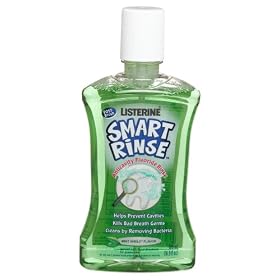
 n sunscreen both fun and successful. Namely, Listerine Smartrinse is a product designed for kids that acts like a magnet to any plaque that remains after children brush their teeth, and Coppertone Colorblock is a sunscreen that originally applies as a color before absorbing invisibly into a child’s skin. These products are beneficial for both parents and kids, because it makes tasks that might otherwise be difficult seem new and exciting, while at the same time allowing children to learn proper procedures for completing daily hygienic activities.
These colorful products are obviously creative, because they allow children to connect with the product and have fun while they use them. However, I chose to blog about these products because I think they are extremely innovative and appeal to a mar
 ket that would not normally desire these products. True innovation, to me, is creating an entirely unique product or service that a consumer did not even realize that they wanted, but upon seeing the product, has to have. Normally, a child might not even look around and browse if they were going on a shopping trip with their parents. But when a company takes the time to study a developing market and create products that are fun and exciting for kids, they develop a new set of consumers. They have reached out to children and turned them into the consumers, allowing them to form their own desires and opinions.
According to “Consumer Behavior, A Marketing Strategy,” Eighth Edition, by J. Paul Peter and Jerry C. Olson, It’s proven that the customers who do the most pre-purchase research are commonly characterized as those who have easy access to information, and those who are buying products for others. Often, the most trusted pre-purchase information comes from reviews from friends, relatives, and other consumers who review the products you’re researching. These are good sources because there is low effort involved with attaining this information and the information comes from highly believable sources.
This idea of word-of-mouth information spread ties into the article, “The New, Faster Face of Innovation," because it is an example one of the most prevalent examples of how technology is streamlining innovation. Parents can post their opinions and product reviews on blogs or social media sites and almost instantaneously affect someone’s perception of a product. These perceptions can be either good or bad, and can have a direct influence on a marketing campaign. Like the article by Brynjolfsson and Schrage says, “Companies are able to get a much better idea of how their customers behave and what they want,” in a cost-efficient and speedy way. Parents need to take advantage of this situation and help marketers know what their children might enjoy and be willing to try. The recent changes in innovation processes ultimately benefit both the consumer and the manufacturers, and these two groups should work together to continuously improve and develop products and services.

No comments:
Post a Comment